Why do so many Chinese SUVs have a 1.5 turbo, and is it the same engine?
The badge on the boot changes, but the engine description often does not. Here is what sits behind that familiar 1.5T label.
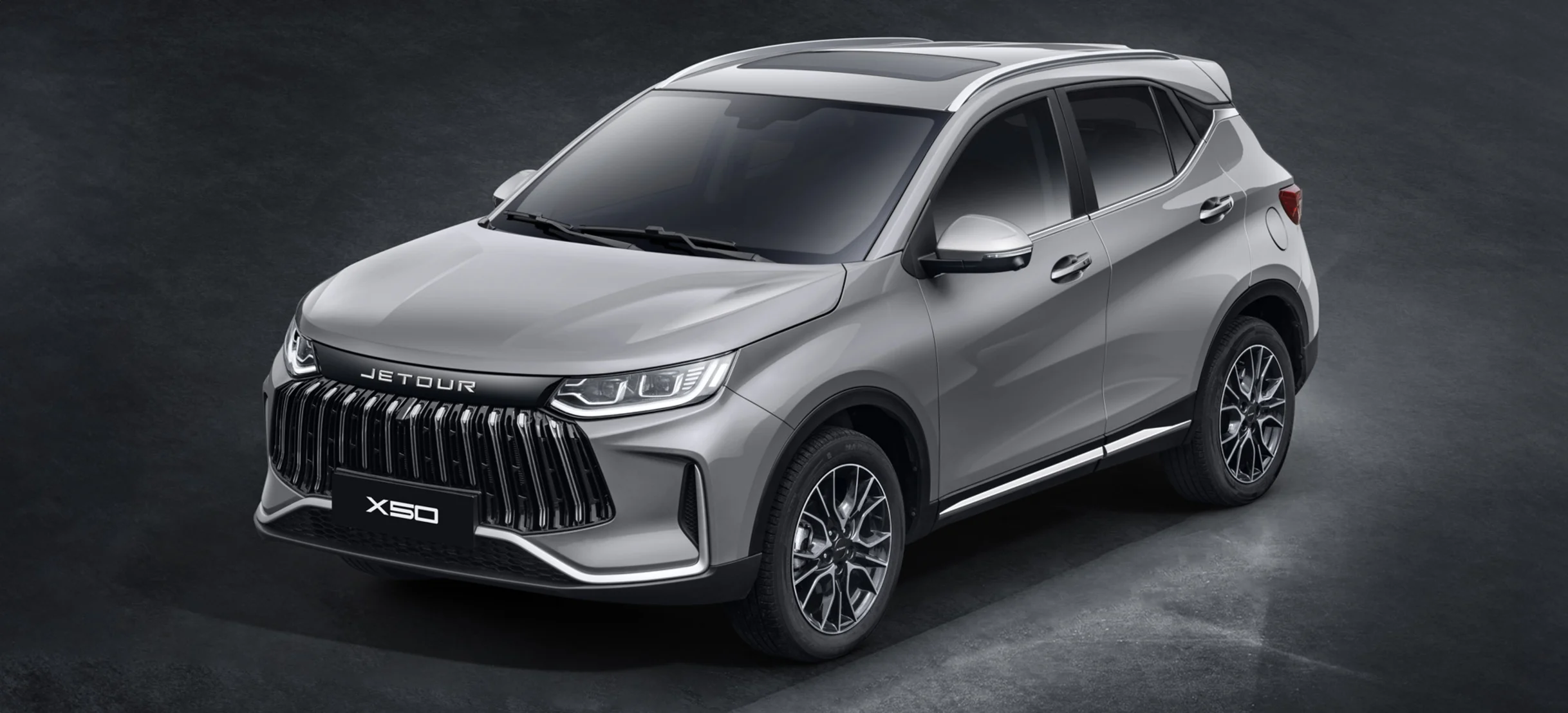
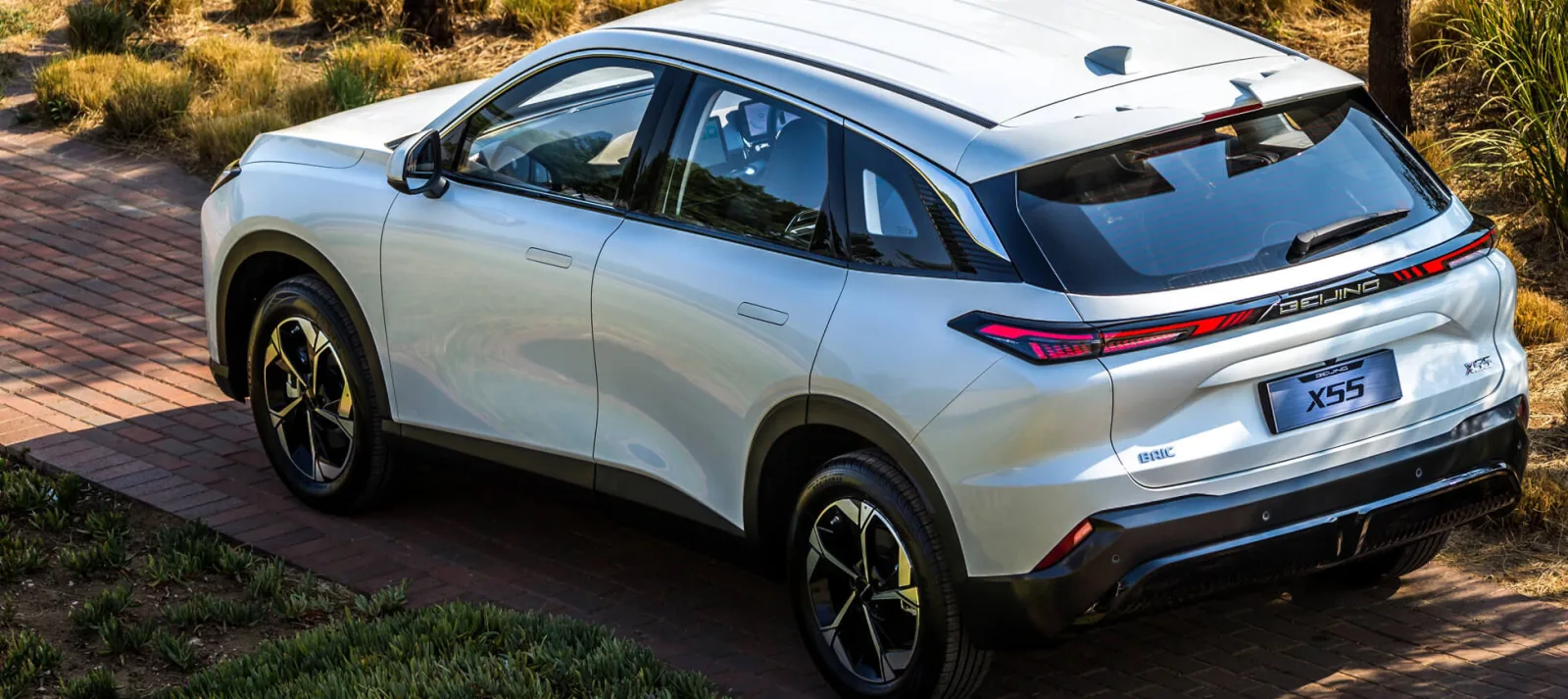
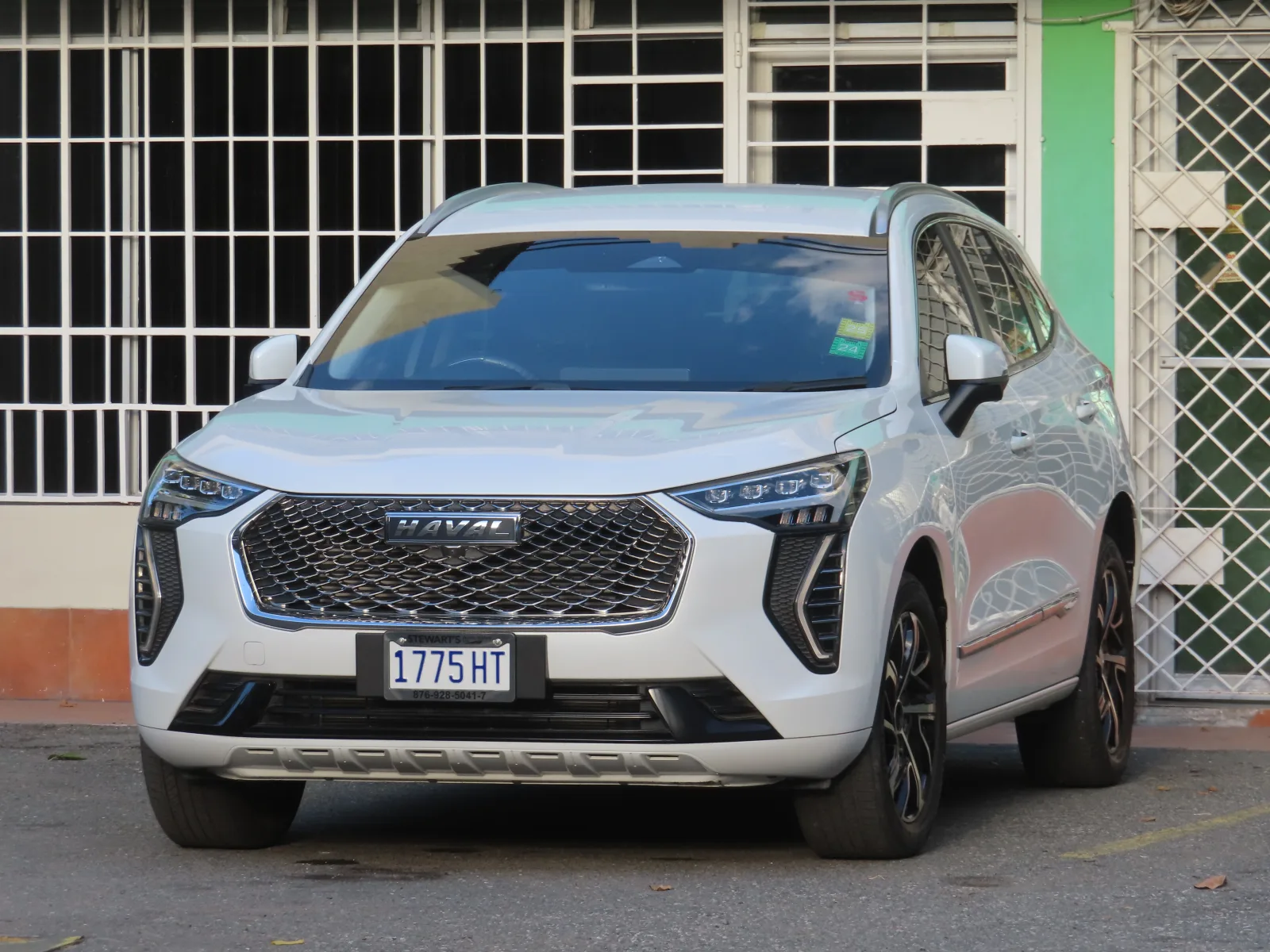
Look at a Jetour X50, BAIC X55 and Haval Jolion City and one specification keeps returning: 1.5-litre turbo petrol. It is easy to imagine a single engine doing the rounds, with a different badge attached to each bonnet.
That is not what the label tells us. “1.5 turbo” describes a size and a method of feeding air into the engine. It is about as useful for identifying the exact machinery as “automatic” is for identifying a gearbox. To understand what you are buying, you need to go one level deeper.
Why the formula is so common
A turbocharger uses energy in the exhaust to drive a compressor, pushing more air into the engine. With the corresponding fuel supply, that allows a relatively small engine to produce more power than it would without boost. For a manufacturer building compact and medium-sized cars, it is a useful combination of packaging and output.
That helps explain why the same broad formula appears repeatedly. It does not prove a common supplier. Separate manufacturers can arrive at similar capacities while using different designs. Nor does the formula guarantee low fuel consumption: vehicle weight, gearing and how often the engine works hard all matter.
A real example: Chery’s ACTECO G4J15
ACTECO publishes a specific 1.499-litre turbo engine called G4J15, with 125kW and 270Nm in its product specification. It lists direct injection and a variable-geometry turbo among its technologies. That is a useful example of what an engine identity actually looks like: a code, a technical specification and an identifiable source.
The code matters because ACTECO’s catalogue contains several 1.5-litre engines. Finding one attractive set of numbers does not establish which version is fitted to a particular Jamaican car. We have not verified G4J15 fitment to the local X50 or another model in this article, so its figures should not be transferred to those cars.
BAIC and Changan have their own named programmes
BAIC describes the X55’s 1.5 turbo using Magic Core branding in an overseas brochure. Changan uses BlueCore for its powertrain programme. Alongside ACTECO’s product range, those are concrete reasons to reject the idea of one universal Chinese 1.5 turbo.
The catch is that a marketing name and an engine code are not always the same thing. A programme can cover multiple products and revisions. The job is to connect the exact car to the exact engine, rather than treat a slogan as a parts catalogue.
Why two 1.5 turbos can feel different
Imagine two cars with similar maximum power. One is heavier, has different gear ratios or delivers its torque over a different rev range. You may need more throttle in one, while the other shifts gear earlier. The headline engine capacity tells you little about those differences.
Throttle calibration and gearbox control are part of the experience too. On a test drive, spend time pulling away, creeping in traffic and accelerating from a modest speed. Those situations are more revealing for everyday use than comparing peak power figures in isolation.
This is why the X50, X55 and Jolion deserve separate consideration, despite sharing a line on the specification sheet.
| Explore | Link |
|---|---|
| Compare the cars | Compare X50, X55 and Jolion City |
What changes when it is a hybrid?
ACTECO also lists dedicated hybrid engines, including H4J15. A hybrid powertrain can ask its petrol engine to work differently because an electric motor is available to contribute drive. The engine’s output and the total system output are therefore different figures.
This matters when a familiar model gains a hybrid or plug-in version. It is not enough to retain the “1.5” label and assume the mechanical specification is unchanged. Compare the complete system, and in a plug-in model think about how often you will charge. A commuter choosing for efficiency needs that whole picture.
Does an established engine make it a safer used buy?
It can make research easier, because there may be more information about the exact version. But age, maintenance and condition still have to be assessed on the individual car. A reputation attached to one engine revision cannot automatically be applied to every related unit.
Get the engine designation from the documentation or service department, then look for the prescribed oil and maintenance schedule. For repairs, the VIN and the correct part number are more useful than “it uses the same 1.5 as another brand”. This is where a precise identity pays off.
So, where does the engine come from?
There is no single answer for the whole market. Chery’s ACTECO is one documented engine source; BAIC and Changan have separate powertrain programmes. An exact answer for a particular vehicle needs the model, year, market and engine designation.
That is a more interesting picture than one engine under every bonnet: several manufacturers solving a similar problem, with differences that deserve attention when you buy.
| Explore | Link |
|---|---|
| Examples of confirmed sharing | See which cars share their foundations |
Our take
A 1.5 turbo can be a perfectly sensible engine choice. Judge the actual car’s response, efficiency and service support, and use the engine code when investigating its background. Capacity is the beginning of the specification, not the identity of the engine.
Sources
- ACTECO: 1.5-litre engine catalogue
- BAIC: group brand portfolio
- Changan: BlueCore programme
- ACTECO: 1.5-litre engine catalogue
Related guides
Compare any cars side by side or get five AI matches for your budget.